
Introduction
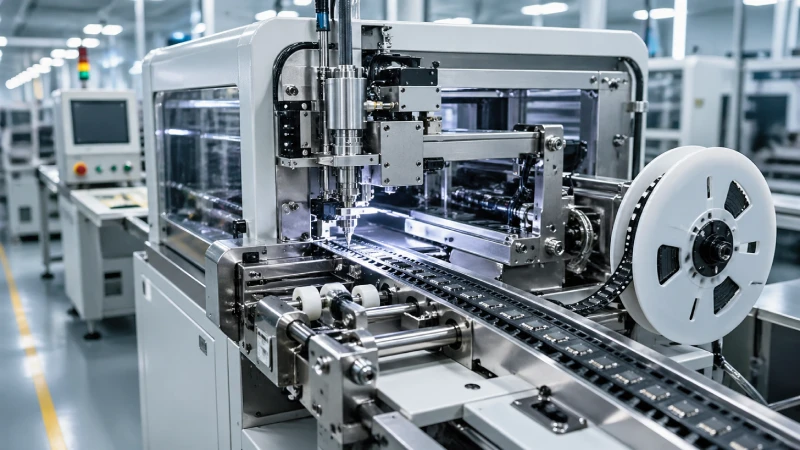
In modern electronics manufacturing, efficiency and precision are no longer optional—they are essential. As production volumes increase and component sizes shrink, manual packaging methods simply cannot keep up. This is where SMT tape and reel packaging machines play a critical role.
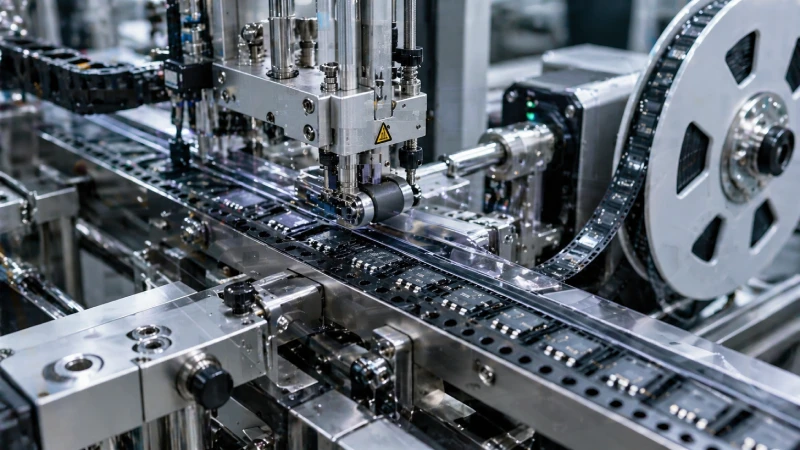
These machines automate the process of placing electronic components into carrier tape pockets, sealing them with cover tape, and winding them onto reels for SMT assembly lines. By integrating advanced control systems and high-speed mechanisms, manufacturers can significantly reduce labor costs, minimize defects, and ensure consistent packaging quality.
If you’re evaluating packaging automation, understanding how these machines work—and how to choose the right one—can directly impact your production efficiency and bottom line. You can start by exploring tape and reel packaging machines for carrier tape assembly to see the available solutions.
What Is an SMT Tape and Reel Packaging Machine?
An SMT tape and reel packaging machine is a specialized system designed to automatically package electronic components into carrier tapes for surface-mount technology (SMT) processes. These machines ensure that components are securely placed, properly aligned, and ready for high-speed pick-and-place operations.
At its core, the machine performs four essential functions:
- Feeding components into the system
- Precisely placing components into carrier tape pockets
- Sealing the tape with cover film
- Winding the tape onto reels for transport and storage
In high-volume manufacturing environments, a fully automatic carrier tape packaging machine is often preferred, as it can handle continuous operation with minimal human intervention while maintaining high accuracy.
How an SMT Tape and Reel Packaging Machine Works
Understanding the workflow of these machines helps you identify where efficiency gains and quality improvements come from.
1. Component Feeding
Components enter the system through various feeding methods such as vibratory bowls, trays, or pallet systems. The feeding method depends on the component type, size, and production scale.
For high-throughput environments, systems like the pallet transfer carrier tape packaging machine provide stable and continuous feeding, ensuring smooth operation without bottlenecks.
2. Pocket Alignment and Placement
Once fed into the system, components are accurately positioned and placed into the carrier tape pockets. Precision here is critical—misalignment can lead to pick-and-place failures downstream.
Advanced machines use vision systems and servo-driven positioning to ensure each component sits perfectly within its designated pocket.
3. Cover Tape Sealing
After placement, a cover tape is applied to seal the components securely inside the carrier tape. This step ensures that components remain protected during transport and handling.
Depending on the application, sealing can be done using heat or pressure-sensitive adhesive. For flexible sealing applications, a micro-adhesive carrier tape packaging machine offers stable performance with minimal thermal impact on sensitive components.
4. Reel Winding and Output
Finally, the sealed tape is wound onto reels under controlled tension. Proper tension control is essential to prevent tape deformation or component displacement.
Automation can be further enhanced with equipment like the plastic reel changing machine for tape & reel packaging, which minimizes downtime by automatically replacing full reels.
Types of SMT Tape and Reel Packaging Machines
Choosing the right type of machine depends on your production needs, budget, and level of automation.
Fully Automatic Machines
Fully automatic systems are designed for high-volume production environments. They integrate feeding, placement, sealing, inspection, and winding into a seamless process.
These machines offer:
- High-speed operation
- Minimal manual intervention
- Consistent output quality
They are ideal for manufacturers handling large-scale SMT production.
Semi-Automatic Machines
For smaller operations or flexible production lines, semi-automatic carrier tape packaging machines provide a cost-effective solution.
Operators manually assist certain steps, allowing:
- Greater flexibility
- Lower upfront investment
- Easier adaptation to multiple product types
Visual Inspection Integrated Machines
Quality control is critical in SMT packaging. Machines with built-in inspection systems can detect defects such as missing components or incorrect placement.
A semi-automatic visual inspection carrier tape packaging machine helps ensure consistent quality while reducing reliance on manual inspection.
Carrier Tape Production Machines
Some manufacturers prefer vertical integration, producing their own carrier tapes. Equipment like the carrier tape production machine for embossed tape forming enables in-house customization and reduces dependency on external suppliers.
Key Features of a High-Performance SMT Tape and Reel Machine
Not all machines are created equal. High-performance systems share several critical features that directly impact output quality and efficiency.
Precision Positioning
Accurate placement ensures compatibility with downstream SMT processes. Servo-driven systems and vision alignment are essential.
Stable Sealing Technology
Reliable sealing prevents component loss and protects against contamination. Consistency in peel strength is especially important.
To validate sealing performance, manufacturers often rely on tools like a carrier tape peel strength tester for packaging validation.
Anti-Static Protection
Electrostatic discharge (ESD) can damage sensitive components. Advanced machines incorporate anti-static materials and grounding systems.
High-Speed Capability
Throughput directly affects profitability. High-speed machines can process thousands of components per hour without compromising accuracy.
Modular Design
Modularity allows manufacturers to adapt machines for different components, production volumes, or future upgrades.
Applications of SMT Tape and Reel Packaging Machines
These machines are widely used across various industries, including:
- Integrated circuits (ICs)
- Passive components (resistors, capacitors)
- LEDs
- Connectors
- Automotive electronics
Any industry relying on automated PCB assembly benefits from consistent, high-quality tape and reel packaging.
How to Choose the Right SMT Tape and Reel Packaging Machine
Selecting the right machine is one of the most important decisions for your production line.
Production Volume
High-volume operations require fully automatic systems, while smaller batches may benefit from semi-automatic solutions.
Component Type and Size
Different components require different handling mechanisms. Ensure the machine supports your product specifications.
Automation Level
Balancing labor costs and automation investment is key. Higher automation reduces labor but increases initial cost.
Quality Requirements
If your customers demand strict quality standards, consider machines with inspection systems and validation tools.
Scalability
Choose equipment that can grow with your business. Modular systems provide flexibility for future expansion.
To compare different configurations and find the best fit, you can explore all tape and reel packaging machines here.
Common SMT Packaging Problems—and How Machines Solve Them
Even experienced manufacturers face packaging challenges. The right machine can eliminate most of these issues.
- Misaligned components → solved by precision positioning systems
- Weak sealing → improved with stable sealing technology
- Tape tension issues → controlled by automated winding systems
- Human error → reduced through automation
By addressing these problems at the machine level, manufacturers can significantly improve overall production quality.
ROI of Investing in an SMT Tape and Reel Packaging Machine
Investing in automation is not just about efficiency—it’s about long-term profitability.
Key benefits include:
- Reduced labor costs
- Increased production speed
- Lower defect rates
- Improved consistency
- Faster delivery times
Over time, these advantages translate into stronger competitiveness and higher customer satisfaction.
Conclusion
SMT tape and reel packaging machines have become a cornerstone of modern electronics manufacturing. By automating critical packaging processes, they enable manufacturers to scale production, improve quality, and reduce operational costs.
Whether you are upgrading an existing line or building a new one, selecting the right machine can have a lasting impact on your efficiency and profitability.
🚀 Ready to Optimize Your SMT Packaging Process?
Choosing the right equipment doesn’t have to be complicated. With the right partner, you can find a solution tailored to your exact production needs.
👉 View our SMT tape and reel packaging machine solutions
👉 Get expert recommendations and customized configurations
👉 Improve efficiency, reduce defects, and scale with confidence
Start optimizing your packaging line today.