
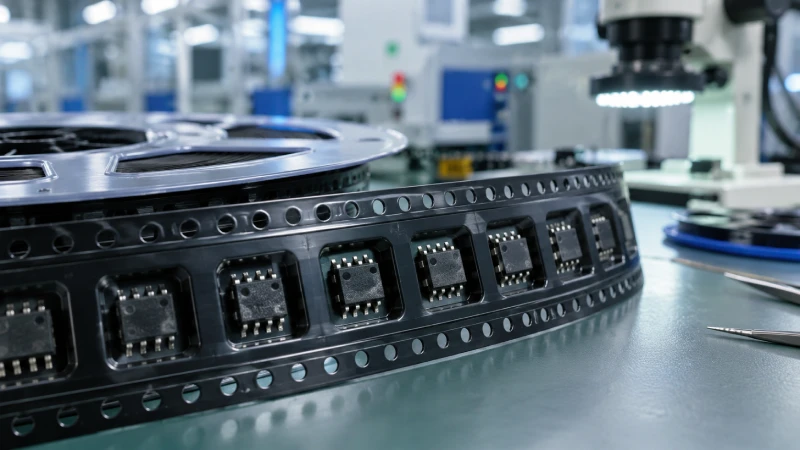
Component rotation in carrier tape is a small packaging problem that can create large production risks. When components move, tilt, or rotate inside the pocket, they may no longer stay in the correct pick-up position. This can affect incoming inspection, reel quality, SMT feeding stability, and the overall confidence of OEM buyers or distributors receiving the packaged parts.
For electronic component manufacturers, this issue is not only about pocket dimensions. Component rotation can be caused by oversized pockets, insufficient pocket depth, irregular component shapes, unstable cover tape sealing, vibration during transportation, or a mismatch between the component and the selected carrier tape material.
The good news is that most rotation problems can be reduced before mass production. With better carrier tape pocket design, suitable material selection, proper cover tape matching, and sampling verification, components can remain more stable throughout packaging, storage, shipment, and automated assembly.
Why Components Rotate Inside Carrier Tape Pockets
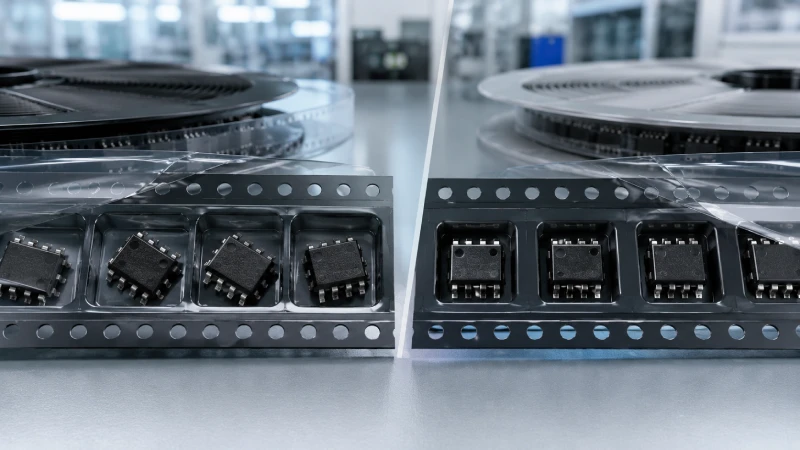
Components usually rotate because the pocket does not provide enough positioning support. If the pocket is too large, the component has too much free space. During reel winding, transport vibration, or handling, the component may shift from its original position and rotate inside the pocket.
Pocket depth is another common reason. If the pocket is too shallow, the component may sit too high and become unstable under the cover tape. If the pocket is too deep without proper side support, the component may drop into the pocket but still move from side to side. This is especially common with tall, thick, or uneven components.
Irregular shapes also make rotation more likely. Some components have pins, leads, raised areas, asymmetrical bodies, or non-flat surfaces. When the pocket only follows a simple rectangular shape, it may not control the component’s orientation well. The part may fit into the pocket, but it may not stay in the expected direction.
For components that cannot be packed reliably with standard pocket structures, a custom carrier tape design is often a better option. Custom pocket design can be adjusted according to the actual component outline, height, weight, and feeding requirements.
Why Stable Component Positioning Matters
Stable component positioning is important because carrier tape is not only used for storage. It also supports automated feeding and pick-and-place handling. If components rotate inside the pocket, the SMT machine may not pick them correctly. This can lead to misfeeds, rejected reels, production interruptions, or extra manual checking.
For component distributors and OEM sourcing teams, rotation can also create quality concerns. Even if the components themselves are not damaged, unstable packaging may make the reel look unreliable. Buyers may worry about transport protection, orientation consistency, and whether the packaging is suitable for automated assembly.
Stable positioning is especially important for small precision components, connectors, sensors, ICs, relays, fuses, metal stamped parts, and other parts with direction-sensitive features. A well-designed packaging solution helps the component stay in the correct pocket position from loading to final use.
This is why many buyers evaluate the full tape and reel packaging process, not only the carrier tape itself. Carrier tape, cover tape, reel size, winding condition, and packaging method all affect the final stability of the reel.
Common Causes of Component Rotation and Practical Solutions
| Common Cause | What Buyers May Notice | Practical Solution |
|---|---|---|
| Oversized pocket | Component turns or shifts inside the pocket | Reduce unnecessary free space and redesign the pocket around the component outline |
| Insufficient pocket depth | Component sits too high and becomes unstable | Adjust pocket depth according to component height and top clearance |
| Irregular component shape | Component fits but does not stay in one direction | Add shape-matching support features inside the pocket |
| Poor orientation control | Components face different directions after transport | Design the pocket to guide the correct placement direction |
| Unstable cover tape | Components move during winding or shipment | Match cover tape type, sealing condition, and peel strength |
| Transport vibration | Components rotate after long-distance shipping | Verify pocket fit, reel winding, and outer packaging protection |
| Weak pocket material | Pocket deforms or loses shape stability | Select suitable carrier tape material based on weight and application |
| Tall or heavy components | Component tilts or bounces inside the pocket | Use deeper pockets, stronger sidewalls, and proper reel matching |
This table shows that component rotation is rarely caused by one single factor. In many cases, the solution requires reviewing the component, pocket, cover tape, and packing process together.
How Carrier Tape Pocket Design Reduces Component Movement
Pocket design is the first area to check when components rotate. A good pocket should hold the component securely, but it should not squeeze or damage the part. The goal is to reduce unnecessary movement while still allowing smooth pick-up during SMT feeding.
The pocket length and width should match the component body closely enough to control movement. If the component has special features such as pins, leads, side extensions, or raised surfaces, the pocket may need supporting details that help guide the part into the correct position.
Pocket depth also matters. The pocket should allow the component to sit stably without excessive vertical movement. For taller parts, the pocket may need enough depth and wall strength to prevent tilting. For flatter components, the pocket bottom may need better support to keep the component level.
A custom embossed carrier tape solution can help create formed pockets that better match the component’s shape and packaging requirements. Compared with a simple standard pocket, an optimized embossed pocket can provide better seating, orientation control, and movement reduction.
However, pocket design should still remain practical. It does not need to become overly complex. Buyers mainly need to confirm whether the pocket can hold the component in a stable position, protect important surfaces, and support reliable feeding.
The Role of Cover Tape in Preventing Rotation
Cover tape cannot solve every rotation problem, but it plays an important supporting role. Once components are placed into the carrier tape pockets, cover tape helps keep them inside the pocket during winding, storage, and transport.
If the cover tape sealing is unstable, components may move more easily. Uneven sealing strength, poor cover tape compatibility, or incorrect sealing conditions can lead to inconsistent packaging performance. In some cases, the cover tape may not apply enough holding support. In other cases, too much pressure may affect sensitive components or create feeding problems.
The cover tape should match the carrier tape width, material, and packaging application. Peel strength should also be checked because SMT users usually need smooth and consistent peeling during production. If the peel force is too unstable, it may affect automated feeding.
When buyers are solving rotation problems, they should not only review the carrier tape pocket. They should also check whether the cover tape is properly matched with the tape material, sealing method, and component sensitivity.
Material Selection Also Affects Pocket Stability
Carrier tape material can influence how stable the pocket remains during production, winding, and shipment. If the material is not rigid enough for the component, the pocket may deform slightly, especially for heavier or taller parts. Once the pocket shape changes, the component may no longer stay in the original position.
Material selection also depends on the component type. Some electronic components require anti-static or conductive packaging. Some buyers prefer clear carrier tape for visual inspection, while others may need black carrier tape for specific component handling or inspection requirements.
For delicate or precision parts, the material should help protect the component surface and keep the pocket shape consistent. For heavier parts, the material and pocket structure should provide stronger support. For export shipments, the tape should also handle reel winding, long-distance transportation, and warehouse storage without easily losing shape.
The best material is not always the most expensive one. It should be suitable for the component’s size, weight, shape, ESD needs, inspection method, and feeding requirement.
How Custom Embossed Carrier Tape Helps Improve Component Fit
Custom embossed carrier tape is one of the most effective ways to reduce component movement when standard pockets are not stable enough. Instead of forcing the component into an existing pocket format, the pocket can be designed based on the actual component.
Jiushuo supports custom embossed carrier tape for electronic components that require better pocket fit and stable SMT feeding. The design can consider component drawings, physical samples, component height, weight, orientation, tape width, pitch, material choice, and reel matching.
For example, a connector may need better side support to prevent tilting. A sensor may need a stable pocket that protects the sensitive surface. A relay or fuse may require a deeper pocket and stronger support. A precision metal stamped part may need orientation control because of its thin or irregular shape.
With a custom design, the pocket can reduce free space, improve seating, control direction, and help the component remain stable during transport and feeding. Jiushuo can also help match the carrier tape with suitable cover tape and reel packaging so the full packaging system works together.
For buyers dealing with recurring movement problems, custom carrier tape is not only a packaging upgrade. It is a practical way to reduce rejection risk and improve packaging consistency before the reels reach the assembly line.
What Buyers Should Send for Evaluation
To solve component rotation efficiently, buyers should provide enough information before requesting a carrier tape design. The more complete the information is, the easier it is to evaluate the real cause of movement and recommend a suitable solution.
Useful information includes component drawings, 3D files, physical samples, dimensions, height, weight, and photos of the component from different angles. If the component has leads, pins, polarity marks, fragile areas, or direction-sensitive features, these should be clearly shown.
Buyers should also provide packaging requirements if available. This may include tape width, pitch, reel size, quantity per reel, ESD requirements, cover tape preference, and pick-and-place feeding requirements. If there is an existing carrier tape that causes rotation, sending that sample is very helpful.
Photos or videos of the current problem can also save time. For example, a short video showing components rotating after vibration, winding, or transport can help the supplier understand whether the problem comes from pocket size, pocket depth, cover tape, or shipping conditions.
Sampling and Verification Before Mass Production
Sampling is important because even a good design should be checked with real components before mass production. A drawing can show size and shape, but real samples help confirm how the component sits inside the pocket.
During sampling, buyers should check whether the component stays in the correct direction after loading. They should also review whether the pocket depth is suitable, whether the component can be picked smoothly, and whether there is visible shaking or rotation after reel winding.
Cover tape sealing and peeling should also be tested. The cover tape should hold the components properly during storage and transport, but it should still peel smoothly during SMT use. Reel winding should be checked to make sure the tape remains stable and does not create extra movement.
If movement is still visible during sampling, the pocket design can be adjusted before mass production. This is much safer than discovering rotation problems after thousands of reels have already been packed and shipped.
Need Better Component Stability in Carrier Tape?
Component rotation is not just a small packaging detail. It can affect SMT feeding, inspection confidence, transport safety, and buyer satisfaction. The key is to identify why the component moves and then improve the packaging design before large-volume production.
Jiushuo can help review your component shape, current packaging issue, and tape requirements. Our team supports custom embossed carrier tape design, sample verification, cover tape matching, and complete tape and reel packaging solutions for better component fit and stable SMT feeding.
If your components rotate, tilt, or move inside the pocket, send your component drawing, samples, or current packaging photos to Jiushuo for evaluation. We can help you develop a more stable carrier tape solution for your packaging and assembly needs.
FAQ
Why do components rotate inside carrier tape pockets?
Components usually rotate because the pocket is too large, too shallow, too deep, or not shaped properly for the component. Irregular component shapes, transport vibration, and unstable cover tape can also cause movement.
Can cover tape completely stop component rotation?
Cover tape helps keep components inside the pocket, but it cannot fully solve the problem if the pocket design is not suitable. A stable solution usually requires both proper pocket design and correct cover tape matching.
When should buyers consider custom carrier tape?
Buyers should consider custom carrier tape when components are irregular, tall, heavy, fragile, direction-sensitive, or unstable in standard pockets. Custom design helps improve fit, orientation, and feeding stability.
What information is needed to design a better pocket?
Useful information includes component drawings, samples, dimensions, height, weight, tape width, pitch, reel size, ESD requirements, and photos or videos of the current movement problem.
Does component rotation affect SMT feeding?
Yes. If components rotate or tilt inside the pocket, pick-and-place equipment may not pick them correctly. This can cause misfeeds, downtime, rejected reels, or extra inspection work.
How can sampling reduce packaging risk?
Sampling helps confirm pocket fit, component orientation, cover tape sealing, reel winding, and feeding performance before mass production. If problems are found, the design can be adjusted early.