
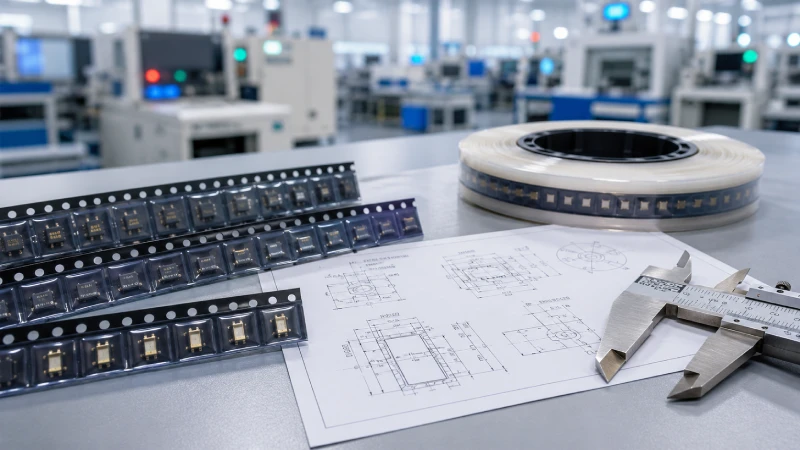
For electronic component manufacturers, OEM buyers, engineering teams, and component distributors, carrier tape is not just a packaging material. It directly affects how components are protected, oriented, sealed, stored, and fed into SMT assembly. When a new component needs packaging, or when an urgent project is waiting for approval, a carrier tape sampling service can help buyers confirm the right details before moving into mass production.
A fast carrier tape sample is useful because it gives buyers something physical to check. Drawings and dimensions are important, but they do not always show how a component will sit inside the pocket, how much movement may occur during handling, or whether the cover tape will match the carrier tape properly. This is why sampling should not be seen only as a speed claim. The real value is risk reduction.
Jiushuo supports custom embossed carrier tape sampling for buyers who need to confirm pocket fit, component orientation, cover tape matching, and SMT feeding requirements before bulk production. For urgent packaging projects, fast sampling helps move the discussion from theory to confirmation, so both the buyer and the supplier can align on the final packaging design before mass production begins.
Why Carrier Tape Sampling Matters Before Mass Production
Before mass production, buyers need to know whether the proposed carrier tape actually works for their component. Even when the component drawing is accurate, small details can still affect the final packaging result. A component may sit too loosely in the pocket, rotate during handling, or require a different pocket depth than expected. In other cases, the orientation may not match the buyer’s SMT feeding direction.
Carrier tape sampling helps reduce these risks early. Instead of approving a design only from a drawing, buyers can check a real sample and provide feedback before the full order is produced. This is especially important for components with irregular shapes, leads, polarity marks, fragile surfaces, or strict orientation requirements.
For buyers developing new packaging, a custom carrier tape sample can help confirm whether the proposed tape width, pocket design, pitch, and component placement are suitable for the intended packaging process. This makes the approval process more practical and easier to communicate between purchasing, engineering, and production teams.
What a Fast Carrier Tape Sample Helps Buyers Confirm
A fast carrier tape sample gives buyers a clear way to review key packaging details before placing a mass production order. The sample does not replace the buyer’s internal approval process, but it helps make that process more reliable.
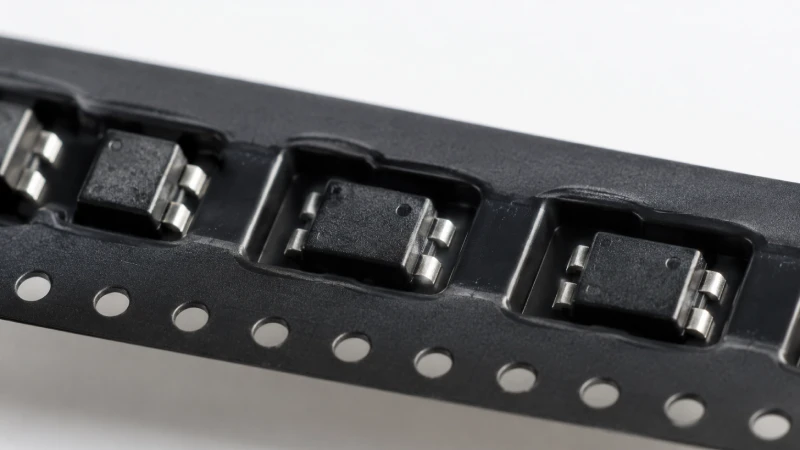
The first thing buyers usually check is pocket fit. The component should sit securely inside the pocket without being forced into place. If the pocket is too tight, loading may become difficult or the component may be stressed. If the pocket is too loose, the component may move during transportation or feeding. A physical sample allows the buyer to check whether the pocket size and depth are suitable for real component handling.
The second point is component orientation. Many electronic components have a required feeding direction. Some parts have pins, leads, polarity marks, or asymmetric shapes that must face a specific way. A carrier tape sample helps buyers confirm whether the component direction in the pocket matches their SMT process or internal packaging requirement.
The third point is pocket shape. For many components, standard pockets may not be enough. Buyers may need embossed carrier tape sampling to check whether a custom formed pocket can hold the component more steadily. This is especially useful for components with special dimensions, uneven surfaces, or shapes that require additional support.
The fourth point is cover tape matching. Carrier tape and cover tape should work together as a complete packaging set. During sampling, buyers can check whether the cover tape is suitable for the carrier tape material, width, and sealing requirement. They can also review whether the opening condition and packaging appearance are acceptable for the next process.
The fifth point is basic feeding suitability. Buyers can review whether the tape direction, sprocket holes, pitch, and pocket sequence match their packaging expectations. For complete packaging preparation, buyers may also compare the sample with their broader tape and reel packaging requirements, including reel size, loading direction, cover tape application, and final packing format.
Carrier Tape Sampling Process and Buyer Confirmation Points
A clear sampling process helps reduce misunderstanding. It also helps buyers know what they need to check at each stage.
| Sampling Step | Buyer Confirmation Point |
|---|---|
| Component drawing review | Confirm component size, shape, tolerance needs, and orientation requirement |
| Packaging requirement check | Confirm tape width, pitch, pocket direction, reel size, and cover tape needs |
| Pocket design preparation | Review whether the proposed pocket supports stable component placement |
| Sample production | Receive a physical custom carrier tape sample for checking |
| Pocket fit checking | Confirm whether the component sits securely without excessive movement |
| Cover tape matching | Check sealing compatibility, opening condition, and packaging appearance |
| Feedback adjustment | Share comments on pocket fit, direction, clearance, or cover tape behavior |
| Mass production approval | Approve the final sample before bulk carrier tape production |
This process is simple, but it is important. A buyer may not need complex technical language to make a good decision. In most cases, they need to answer practical questions: Does the part fit? Is the direction correct? Does the cover tape match? Can this design be approved for production?
How Jiushuo Supports Custom Embossed Carrier Tape Sampling
Jiushuo helps buyers review component information and prepare custom carrier tape samples based on actual packaging needs. The sampling process can begin with component drawings, physical samples, or packaging requirements. When the component has a special shape or requires a more secure pocket, Jiushuo can support custom embossed carrier tape sampling to help buyers confirm the packaging design before mass production.
The goal is not only to provide a fast carrier tape sample. The goal is to help buyers confirm the right details earlier. Speed is useful only when it supports a better approval process. A sample that arrives quickly but does not match the component requirement still creates risk. A useful sample should help the buyer check fit, orientation, cover tape matching, and general packaging suitability.
Jiushuo works with buyers through drawing review, pocket proposal, sample checking, feedback adjustment, and final approval. If the buyer finds that the component sits too loosely, the pocket can be adjusted. If the direction needs to change, the orientation can be reviewed. If the cover tape requirement is not clear, Jiushuo can help match it with the carrier tape structure and buyer’s packaging expectations.
This makes the sampling stage a communication tool as much as a production step. It gives purchasing teams, engineers, and packaging teams a shared reference before the order moves into bulk production.
What Can Go Wrong Without Sample Approval
Skipping carrier tape sample approval may look faster at the beginning, but it can create more problems later. Without a sample, buyers may not discover packaging issues until mass production has already started.
One common issue is poor pocket fit. If the pocket is too small or too tight, components may be difficult to load. If the pocket is too large, components may move inside the cavity, which can affect orientation and handling. For fragile or precision components, this movement can become a serious packaging concern.
Another risk is incorrect orientation. A carrier tape design may look acceptable on paper, but the actual component direction may not match the buyer’s SMT feeding requirement. If this issue is found after production, it may cause delays, rework, or the need to remake the tape.
Cover tape mismatch is also a practical problem. If the cover tape does not match the carrier tape properly, sealing may be uneven, the opening condition may not meet expectations, or the packaging appearance may be unacceptable. These issues are easier to check during sampling than after a full production run.
Feeding problems can also appear if tape width, pitch, sprocket holes, or pocket sequence are not aligned with the buyer’s process. Even small mismatches can interrupt downstream handling. This is why sample approval is especially important for OEM buyers and engineering teams that need packaging to support stable production.
In urgent projects, skipping sample approval may seem like a shortcut. In reality, a fast but careful sampling step can help avoid larger delays later.
What Buyers Should Provide for Faster Sampling
The speed and quality of carrier tape sampling depend heavily on the information provided at the beginning. When buyers send complete and clear details, the supplier can review the project more efficiently and prepare a more useful sample.
For faster sampling, buyers should provide a component drawing with key dimensions. If a 3D file is available, it can also help with pocket design review. Physical component samples are especially useful because they allow the supplier to check the real shape, surface, and handling condition.
Buyers should also provide the required tape width and pitch if they are already known. If these details are not confirmed, the supplier can review the component and packaging needs before making a recommendation. Orientation information is also important. A simple drawing or note showing feeding direction can help avoid confusion during sample preparation.
Other helpful details include expected mass production quantity, cover tape requirement, reel size, loading direction, and any known SMT feeding concerns. If the buyer has had problems with a previous tape design, sharing those issues can help the supplier avoid repeating them.
Buyers may also share their target approval schedule. However, the sample time should be confirmed based on the actual component, pocket complexity, material needs, and production arrangement. A responsible supplier should avoid promising an exact sample time before reviewing the project details.
Fast Sampling Is a Risk Reduction Step, Not Just a Speed Claim
In packaging procurement, speed matters. Buyers often need samples for urgent engineering approval, customer confirmation, trial production, or pre-production planning. Component distributors may need to respond quickly to packaging requests. OEM buyers may need to release a project without delaying the next production stage.
However, fast sampling should not mean rushing through important checks. A fast carrier tape sample is valuable when it helps buyers make a better decision sooner. It should shorten the communication cycle, not remove the confirmation process.
The best sampling result is a sample that helps answer the buyer’s practical questions. Does the component sit well? Is the orientation correct? Does the cover tape match the carrier tape? Is the sample suitable for moving toward mass production approval?
When sampling is handled this way, it becomes a risk reduction step. It helps prevent unclear requirements, repeated design changes, and unexpected production problems. It also gives buyers more confidence when approving a custom carrier tape design.
When Buyers Usually Need a Carrier Tape Sample
Buyers often request carrier tape samples when packaging a new electronic component. New components may have different dimensions, shapes, or handling requirements, so a sample helps confirm whether the tape design is suitable before production.
A sample is also useful when a component design has changed. Even small changes in height, lead shape, body size, or surface structure may affect pocket fit. In these cases, using the old carrier tape design may create unnecessary risk.
Supplier changes are another common reason for sampling. When buyers switch to a new carrier tape supplier, a sample helps confirm whether the new supplier understands the component requirement and can produce a tape that matches the buyer’s expectations.
Urgent projects also benefit from sampling. A distributor may need quick confirmation before accepting an order. An OEM buyer may need sample approval before internal release. An engineering team may need to confirm whether the component can be packaged in tape and reel format before moving to the next stage.
In all these situations, the purpose of sampling is not just to get a tape quickly. The purpose is to confirm that the tape is suitable before more time and cost are committed to mass production.
Request a Custom Carrier Tape Sample Review
If you are preparing a new packaging project or need urgent confirmation for an electronic component, Jiushuo can help review your carrier tape sampling requirements. You can send your component drawing, physical sample, orientation requirement, cover tape need, or existing packaging concern for review.
Jiushuo supports custom embossed carrier tape sampling and buyer confirmation before mass production. Our team can help review pocket fit, component orientation, cover tape matching, and tape and reel packaging needs, so you can move toward production approval with more confidence.
Send us your component information and packaging requirement to start a custom carrier tape sample review.
FAQ
What is a carrier tape sampling service?
A carrier tape sampling service helps buyers check a physical tape sample before mass production. It is used to confirm pocket fit, component orientation, cover tape matching, and general packaging suitability.
When should I request a custom carrier tape sample?
You should request a custom carrier tape sample when packaging a new component, changing component design, switching suppliers, or confirming SMT feeding requirements before bulk production.
What information is needed for a fast carrier tape sample?
Useful information includes component drawings, physical samples, orientation requirements, tape width or pitch preferences, cover tape needs, reel size, and expected production quantity.
Is embossed carrier tape sampling suitable for irregular components?
Yes. Embossed carrier tape sampling is suitable for components that need a shaped pocket for more stable placement, better orientation control, or improved handling during packaging.
Can cover tape be checked during the sampling stage?
Yes. Cover tape matching can be reviewed during the sampling stage to check sealing compatibility, opening condition, and packaging appearance before mass production.
Does a fast carrier tape sample replace final production approval?
No. A fast carrier tape sample supports the approval process, but buyers should still confirm the final sample before mass production begins.