
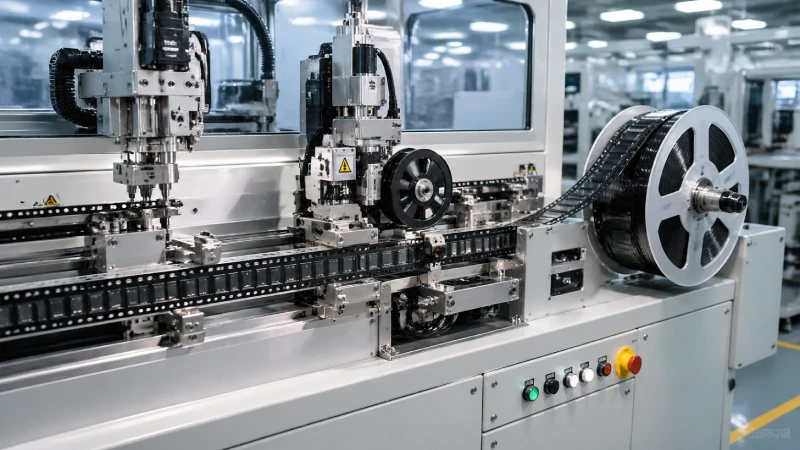
In modern electronics manufacturing, efficiency, consistency, and precision are no longer optional—they are essential. As production volumes increase and component sizes shrink, manual packaging methods struggle to meet quality and speed requirements. This is where carrier tape machines play a critical role.
A carrier tape machine is designed to automate the process of loading electronic components into carrier tapes, sealing them with cover tape, and preparing them for reel packaging. Whether you are handling ICs, LEDs, connectors, or passive components, the right machine can significantly improve output while reducing defects.
For manufacturers looking to scale production or improve packaging reliability, investing in advanced carrier tape packaging machines is no longer a luxury—it’s a necessity.
What Is a Carrier Tape Machine?
A carrier tape machine is specialized equipment used in SMT (Surface Mount Technology) packaging to organize and protect electronic components during transportation and automated assembly.
It typically performs several integrated functions:
- Feeding components into pockets
- Aligning and positioning them accurately
- Sealing with cover tape
- Winding onto reels for storage or shipment
Compared to manual handling, carrier tape machines ensure consistent spacing, orientation, and sealing quality—critical factors for automated pick-and-place systems.
How Carrier Tape Machines Work: Step-by-Step Process
Understanding how a carrier tape machine works helps manufacturers identify where efficiency gains and quality improvements occur.
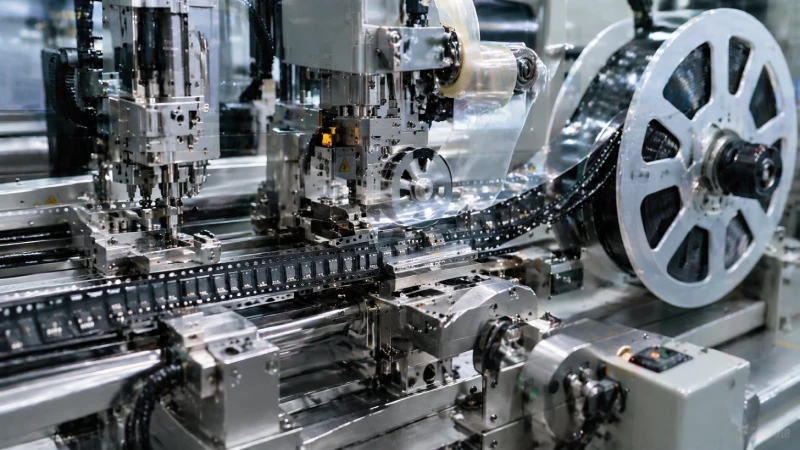
1. Component Feeding
Components are fed into the system via vibratory feeders, trays, or bulk feeding systems. Precision at this stage ensures smooth downstream processing.
2. Pocket Loading
Components are placed into pre-formed or embossed carrier tape pockets. High-end machines use positioning systems to ensure correct orientation.
3. Cover Tape Sealing
Once components are loaded, a cover tape is applied and sealed over the carrier tape. Sealing quality is critical—too weak and components fall out, too strong and it affects pick-up.
Advanced systems such as the micro-adhesive carrier tape packaging machine ensure stable sealing strength while maintaining peel consistency.
4. Reel Winding
The sealed tape is wound onto reels in a controlled manner to avoid tension issues or deformation.
5. Quality Inspection
Inspection systems verify component presence, alignment, and sealing integrity. For example, using a carrier tape peel strength tester helps ensure packaging meets industry standards.
Types of Carrier Tape Machines
Choosing the right type of carrier tape machine depends on production scale, component type, and automation requirements.
Fully Automatic Carrier Tape Machines
Fully automatic systems are designed for high-volume production environments. They integrate feeding, loading, sealing, inspection, and reeling into a single continuous process.
A fully automatic carrier tape packaging machine is ideal for:
- Large-scale manufacturing
- High-speed SMT lines
- Consistent, repeatable packaging
These machines significantly reduce labor costs while maximizing throughput.
Semi-Automatic Carrier Tape Machines
Semi-automatic machines offer a balance between cost and flexibility. They require some manual intervention but still automate critical processes like sealing and reeling.
A semi-automatic carrier tape packaging machine is suitable for:
- Small to medium production runs
- Frequent product changes
- Budget-conscious operations
Visual Inspection Packaging Machines
Defect detection is crucial in high-precision industries. Visual inspection systems use cameras and AI algorithms to identify missing, misaligned, or damaged components.
A visual inspection carrier tape packaging machine ensures:
- Higher product reliability
- Reduced downstream failures
- Better compliance with quality standards
Pallet Transfer Systems
For fully automated production lines, pallet transfer systems streamline material handling between machines.
A pallet transfer carrier tape packaging machine improves:
- Workflow efficiency
- Line integration
- Labor reduction
Carrier Tape Production Machines
Before packaging begins, carrier tapes themselves must be manufactured. This is where embossing and forming machines come in.
A carrier tape production machine is used to:
- Form embossed pockets
- Customize tape dimensions
- Support specialized component packaging
Auxiliary Machines
Auxiliary equipment enhances the overall packaging process.
For example, a plastic reel changing machine allows continuous operation by automatically replacing full reels, reducing downtime and improving productivity.
Key Benefits of Using Carrier Tape Machines
Investing in carrier tape machines delivers measurable advantages:
- Higher Production Efficiency
Automated systems can handle thousands of components per hour, far exceeding manual capabilities. - Consistent Packaging Quality
Precision sealing and positioning reduce variability and defects. - Lower Labor Costs
Automation minimizes reliance on manual labor. - Improved Component Protection
Proper packaging reduces ESD risks and mechanical damage. - Enhanced Compatibility with SMT Lines
Uniform packaging ensures smooth feeding into pick-and-place machines.
How to Choose the Right Carrier Tape Machine
Selecting the right machine is critical for maximizing return on investment.
1. Production Volume
High-volume production requires fully automated systems, while smaller runs may benefit from semi-automatic machines.
2. Component Type
Different components require different pocket designs, sealing strengths, and handling systems.
3. Automation Level
Consider whether you need a standalone machine or a fully integrated production line.
4. Quality Requirements
Industries like automotive and semiconductor demand higher inspection standards.
5. Budget and ROI
While advanced machines require higher upfront investment, they often deliver faster payback through efficiency gains.
To compare different configurations and find the best fit, explore carrier tape packaging machines for different production needs.
Common Applications of Carrier Tape Machines
Carrier tape machines are widely used across multiple industries:
- Semiconductor packaging
- Consumer electronics
- Automotive electronics
- LED manufacturing
- Passive component production
Any application that requires precise, repeatable component handling can benefit from these machines.
Carrier Tape Machine Cost Factors
The cost of a carrier tape machine varies depending on several factors:
- Level of automation
- Production speed
- Inspection capabilities
- Customization requirements
- Integration with existing production lines
Because of these variables, pricing is typically project-based. However, the long-term savings in labor and defect reduction often justify the investment.
Common Problems and How Machines Solve Them
Manual or outdated packaging processes often lead to issues such as:
- Component Misalignment
Solved by precision positioning systems - Weak or Inconsistent Sealing
Addressed by controlled sealing technologies - Tape Deformation
Prevented through tension control systems - Low Production Efficiency
Eliminated by automation
Modern carrier tape machines are specifically engineered to solve these challenges at scale.
Future Trends in Carrier Tape Machines
The industry is rapidly evolving, with several key trends shaping the future:
- AI-powered visual inspection
- Fully automated, interconnected production lines
- Real-time data monitoring and analytics
- Higher speed with improved precision
Manufacturers that adopt these technologies early will gain a significant competitive advantage.
Conclusion: Choosing the Right Machine for Long-Term Efficiency
Carrier tape machines are no longer just auxiliary equipment—they are a core part of modern electronics manufacturing. The right system can dramatically improve efficiency, reduce defects, and ensure consistent product quality.
Whether you need a fully automated high-speed solution or a flexible semi-automatic system, selecting the right machine depends on your production goals, component types, and budget.
If you’re planning to upgrade your packaging process or build a new production line, now is the time to explore advanced solutions.
Or request a customized recommendation based on your specific production requirements to ensure you choose the most efficient and cost-effective system for your business.