Precision Carrier Tape Packaging Solutions from China

Cover Tape Solutions for Tape-and-Reel Packaging

Designed to seal, protect, and stabilize electronic components during automated SMT packaging and feeding.

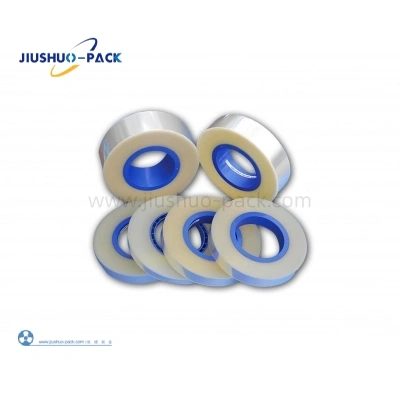
Cover tape is an essential component in tape-and-reel packaging systems, working in combination with embossed carrier tape to secure electronic components within individual pockets.

By sealing the carrier tape, cover tape helps protect components from contamination, physical damage, and displacement during handling, transportation, and automated pick-and-place operations.

In SMT production environments, proper cover tape selection directly affects sealing consistency, peel behavior, and feeding stability.
Different sealing methods and anti-static configurations are used to match carrier tape materials, component characteristics, and production line conditions.

Jiushuo-Pack provides cover tape solutions engineered to integrate seamlessly with embossed carrier tape, supporting reliable sealing performance across a wide range of SMT packaging applications.


Cover Tape Types by Sealing Method

Select the appropriate cover tape type based on your sealing equipment, production conditions, and handling requirements.

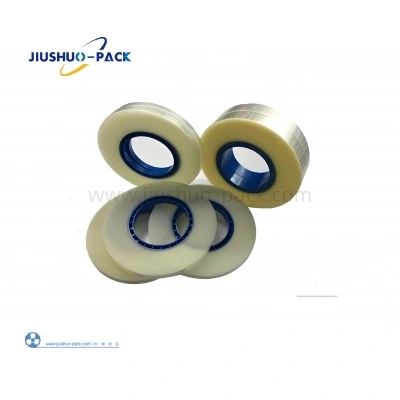
  • cover tape

    Pressure Sensitive Cover Tape

    Pressure sensitive cover tape is designed to be sealed through a controlled heating and pressing process. This type of cover tape is commonly selected for applications where peel force stability, transparency, and repeatable sealing performance are required.

    Read more
  • Heat Activated Cover Tape

    Heat activated cover tape utilizes a pressure-based sealing structure that does not require external heating during operation.This sealing method is often used in production lines focused on process simplicity and continuous operation.

    Read more

How to Choose the Right Cover Tape

Selecting the right cover tape depends on several practical factors within the tape-and-reel packaging process.

  • Sealing Method

    The first consideration is the sealing method used on your production line.

    Pressure sensitive cover tape is typically selected for heat-assisted sealing processes, while heat activated cover tape is better suited for continuous, pressure-based sealing without external heating.

  • Anti-Static Requirement

    For electrostatic-sensitive components, cover tape can be configured with single-side or double-side anti-static properties.

    The appropriate configuration depends on component sensitivity and handling requirements during packaging and feeding.

  • Compatibility and Matching

    Cover tape must be matched correctly with the carrier tape material and width to achieve stable sealing and controlled peel behavior.

    Proper matching helps prevent sealing inconsistencies, component movement, or feeding interruptions during automated placement.

Anti-Static Configuration Options

For electronic components that are sensitive to electrostatic discharge, cover tape can be supplied with anti-static configurations to help reduce handling risks during packaging, transportation, and automated feeding.

Cover tape anti-static options are typically divided into single-side and double-side configurations.

Single-side anti-static cover tape provides electrostatic protection on the component-contact surface, making it suitable for applications where controlled discharge is required without affecting overall sealing behavior.

Double-side anti-static cover tape offers anti-static properties across the entire tape structure.
This configuration is often selected for higher-sensitivity components or packaging environments where enhanced electrostatic control is required throughout the handling process.

The appropriate anti-static option should be selected based on component sensitivity, packaging workflow, and integration with the carrier tape material.

Cover Tape and Carrier Tape Width Matching

Proper width matching between cover tape and carrier tape is essential for stable sealing performance and consistent peel behavior.

Because cover tape is designed to seal along the edges of the carrier tape, its width must correspond precisely to the carrier tape width being used.

Different carrier tape widths require specific cover tape widths to ensure that the adhesive or sealing areas align correctly with the carrier tape flanges.
Incorrect width matching may lead to incomplete sealing, excessive peel force variation, or feeding interruptions during automated pick-and-place operations.

In tape-and-reel packaging systems, cover tape width selection should always be considered together with carrier tape design, sealing method, and production conditions.

Rather than selecting cover tape based on nominal size alone, proper matching helps maintain sealing consistency and overall packaging reliability.

Request A Quote

Header Form